
Har du nogensinde set en vejrvært pege på et kort, der slet ikke er der, har du set et green screen. Virtual production gør det modsatte: i stedet for at tilføje miljøet bagefter, sætter det en kæmpe, levende skærm lige bag dine skuespillere - så stranden, mødelokalet eller den anden side af galaksen faktisk er der på dagen, reflekteret i deres øjne og med til at lyse rummet op. Den forskel ændrer budgetter, tidsplaner og hvor trygge alle føler sig på settet. Her er, hvordan du finder ud af, hvad dit projekt faktisk har brug for.
Kort fortalt
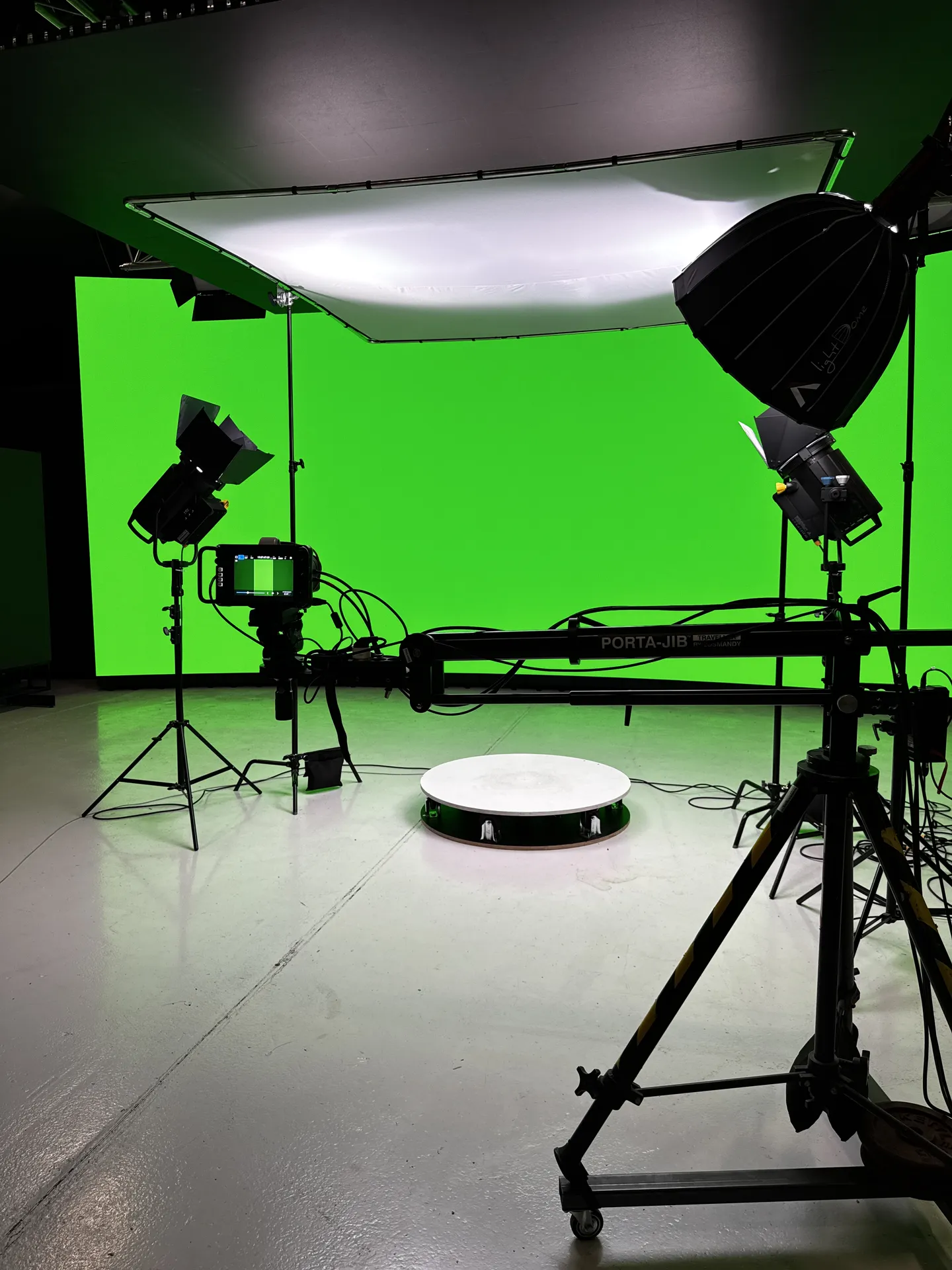
Et green screen er en almindelig grøn baggrund. Du filmer dit motiv foran den, og bagefter "keyer" nogen det grønne væk og sætter en baggrund ind under redigeringen. Intet bag skuespilleren er ægte på dagen - det bliver besluttet uger senere.
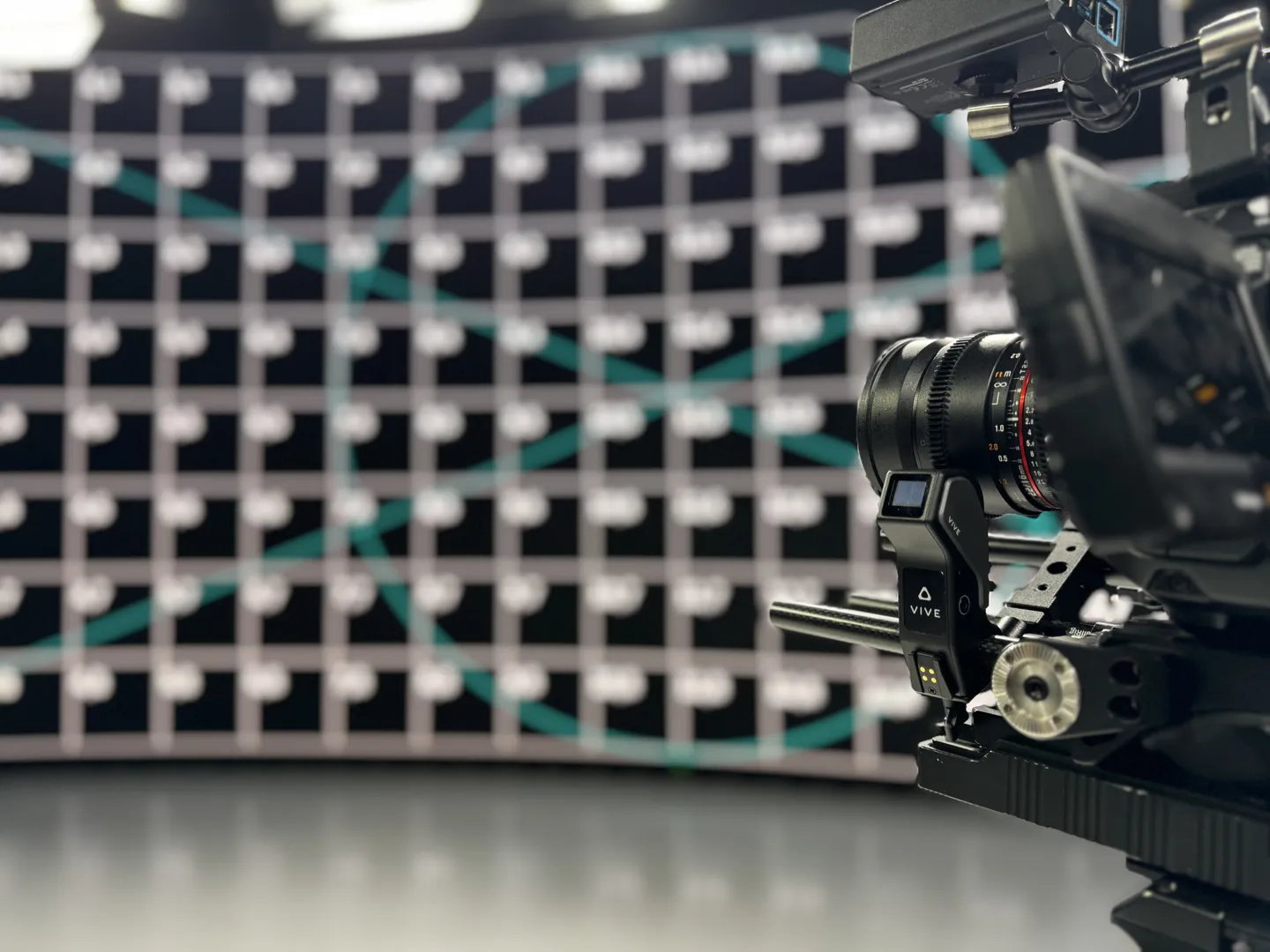
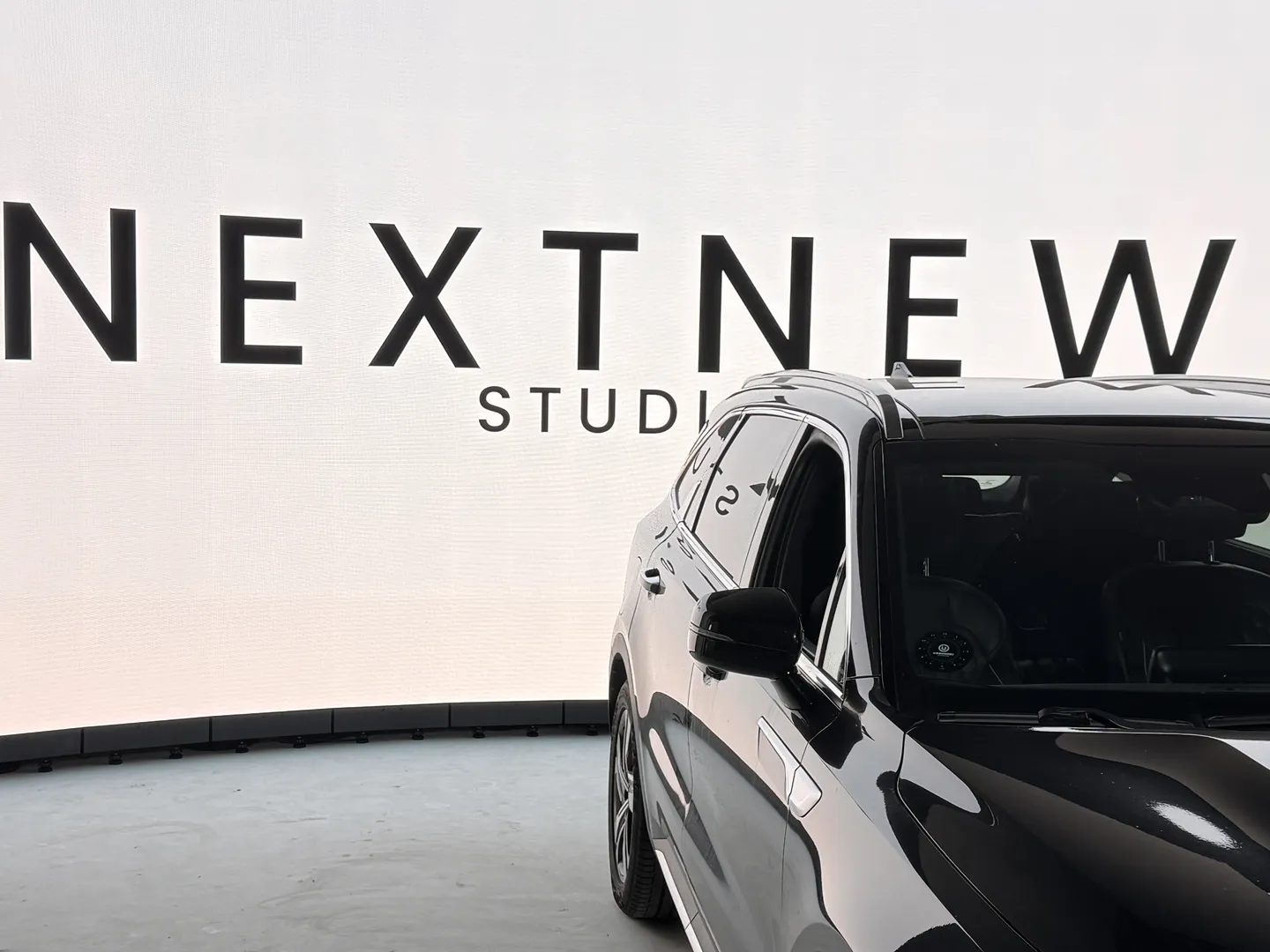
En LED-væg (den væg, vi bruger til virtual production) er en enorm, buet skærm bygget af LED-paneler. Den viser et fotorealistisk 3D-miljø, der bevæger sig korrekt, når kameraet flytter sig, så det, du ser gennem objektivet på settet, ligger tæt på det færdige billede. Baggrunden er ægte lys - ikke et grønt tomrum.
Hvor green screen stadig vinder
Green screen er hverken gammeldags eller "dårligere" - det er et fremragende og billigt værktøj til den rette opgave. Grib fat i det, når:
- Budgettet er stramt, og baggrunden er enkel (et logo, en farve, en grafik).
- Du vil have maksimal frihed til at ændre baggrunden senere eller prøve flere versioner.
- Du laver simpelt præsentations- eller talking-head-arbejde til intern video.
Ulempen: grønt lys smitter af på hår, hud og alt, der skinner, og reflekterende overflader som briller eller en bilkølerhjelm er svære at rette. Ingen - hverken kunden eller instruktøren - ser det rigtige billede, før det er sammensat, så overraskelser har det med at dukke op sent, når de er dyre at ændre.
Hvor virtual production trækker fra
Fordi miljøet rent faktisk er på væggen, lægger LED-lyset sig naturligt om dine skuespillere og rekvisitter. Huden ser rigtig ud, metal og glas fanger troværdige refleksioner, og skuespillerne kan faktisk se, hvor de er - hvilket næsten altid løfter præstationen. Vælg virtual production, når:
- Du ønsker et filmisk, troværdigt miljø, som ville være dyrt eller umuligt at rejse hen til.
- Refleksioner, realistisk lys og produktbilleder betyder noget (biler, ure, blank emballage).
- Kunden eller brand-teamet vil stå på settet og godkende det færdige billede i realtid.
- Du ville ellers flyve et hold til flere lokationer - LED-væggen bringer lokationerne til dig.
Den største forskel er ikke teknologien. Det er, at alle kan se det færdige billede, mens du stadig optager - så beslutninger bliver taget på dagen, ikke uger senere.
Hvad med budgettet?
En simpel green-screen-opsætning er billigere at leje i timen. Men "billigere pr. time" er ikke det samme som "billigere pr. færdig film." Virtual production fjerner en stor del af compositing i efterbehandlingen, sparer rejsetid til lokationer og reducerer markant de genoptagelser, der opstår, når en keyet baggrund ikke passer. For mange kommercielle projekter og brandfilm koster dagen mere, men hele produktionen koster mindre - og den er hurtigere færdig. Vi gennemgår tallene i vores budgetguide i almindeligt sprog.
En enkel måde at vælge på
- Enkel baggrund, stramt budget, fleksibilitet senere? Green screen.
- Ægte lokationer, refleksioner, realisme i kameraet, kundegodkendelse live? Virtual production.
- Ikke sikker? Fortæl os, hvad du skal lave, så giver vi dig en ærlig anbefaling - også selvom svaret er green screen.
Ny til det hele? Start med Hvad er virtual production? for en venlig introduktion. Når du er klar til at tale detaljer, ligger vi en kort køretur fra Aalborg og hjælper gerne med at guide dig igennem det.
Nysgerrig efter at se det i virkeligheden?
Den bedste måde at forstå virtual production på er at stå i det. Fortæl os, hvad du planlægger, så viser vi dig mulighederne.
Book studiet