
"Hvad koster det?" er det første, de fleste spørger om, når det gælder virtual production - og det ærlige svar er "det kommer an på", fordi et enkeltpersons produktbillede og en to-dages dramaoptagelse hører til i hver sin verden. Men "det kommer an på" er ubrugeligt, hvis du prøver at planlægge. Så her er, hvad der faktisk flytter tallet - og hvor en LED-væg stille og roligt sparer dig for penge, som en traditionel optagelse ville bruge.
Hvad du egentlig betaler for
En virtual production-dag samler en række ting, du ellers skulle leje, bygge eller rejse til hver for sig:
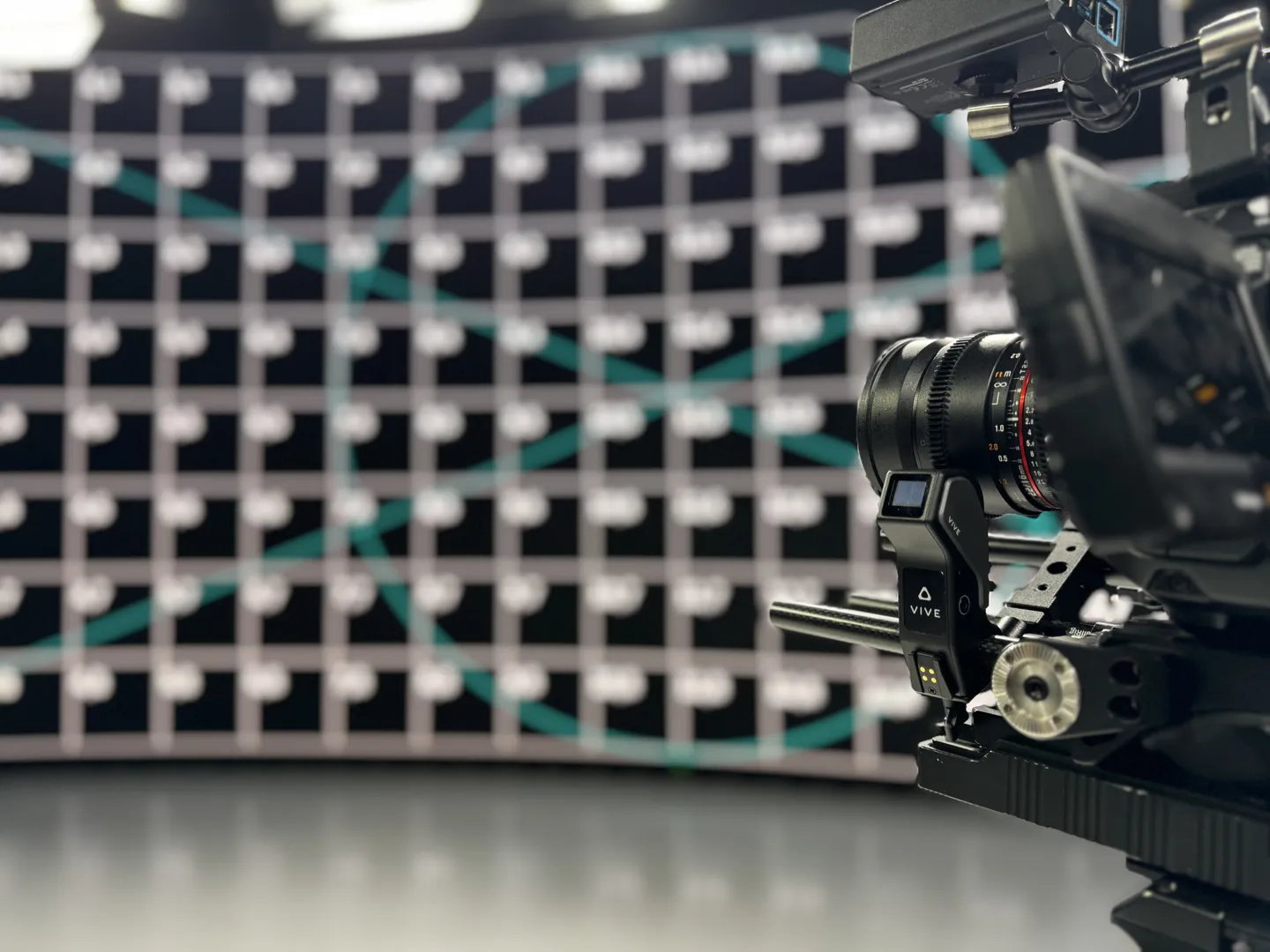
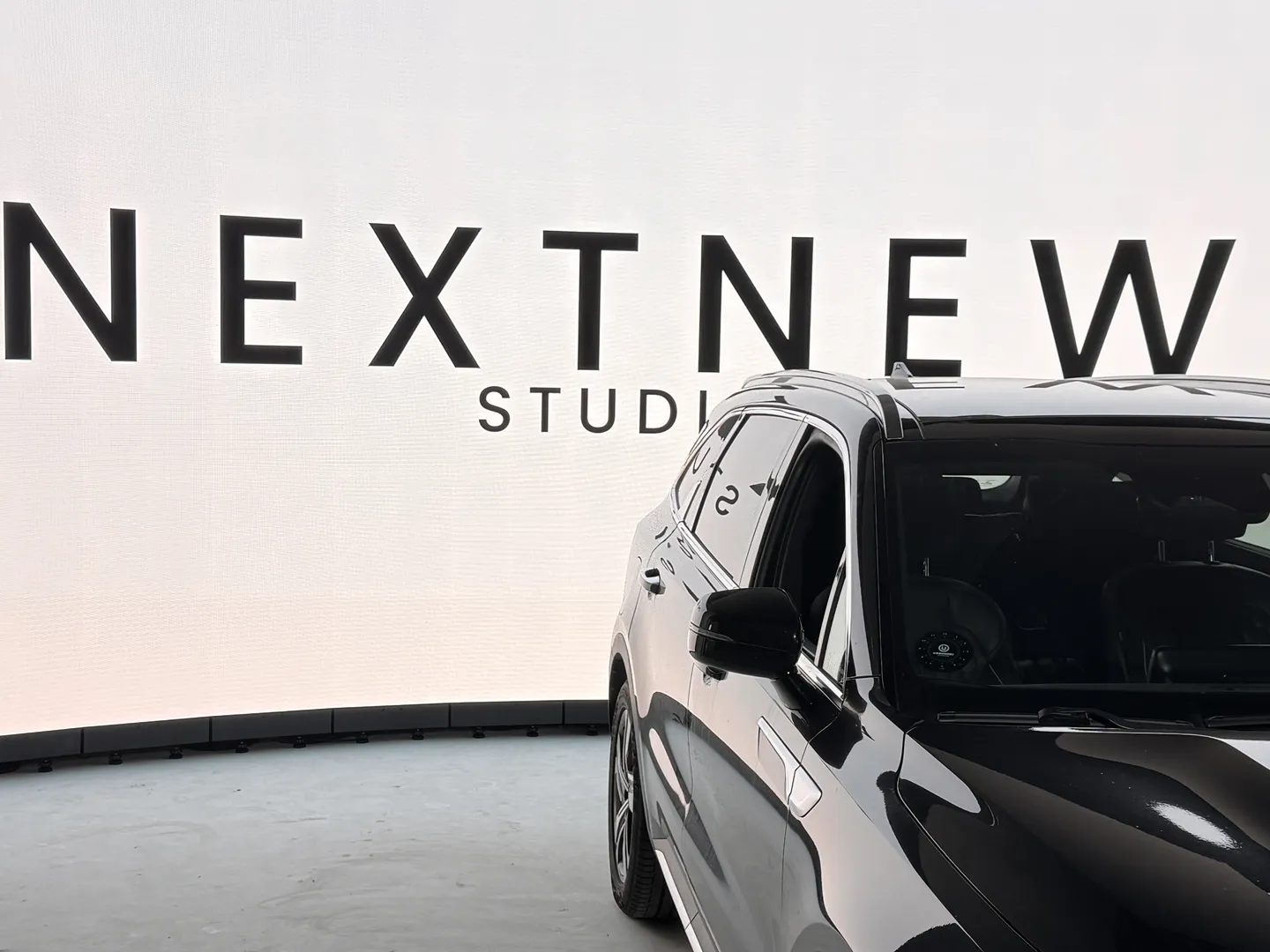
- LED-væggen selv - en stor, buet LED-væg samt de computere og det software, der tegner 3D-miljøet i realtid.
- Det virtuelle miljø - enten et eksisterende 3D-miljø, et tilpasset et, eller et skræddersyet miljø bygget til dit projekt.
- Kameratracking - udstyret, der holder baggrunden i perfekt bevægelse med dit kamera.
- Crew - specialisterne, der styrer væggen og miljøet sammen med dit almindelige filmhold.
Den enkeltstørste knap at skrue på er som regel det virtuelle miljø. At bruge eller finjustere et færdigt miljø er langt billigere end at bestille et skræddersyet miljø fra bunden - på samme måde som det er billigere at leje en lokation end at bygge en kulisse.
Hvad får tallet til at stige
- Et helt skræddersyet 3D-miljø i stedet for et eksisterende eller let tilpasset et.
- Flere optagedage, flere opsætninger, flere scenskift.
- Komplekse kamerabevægelser, der kræver præcis tracking.
- Ekstra udstyr: specielle objektiver, motion control, et større crew.
Hvor det stille og roligt sparer dig penge
Sammenlign den færdige film - ikke bare studiedagen - og virtual production kommer ofte bedst ud af det:
- Ingen rejser til lokationer. I stedet for at flyve et hold til et bjerg, en by og en strand, optager du alle tre i ét rum på én dag.
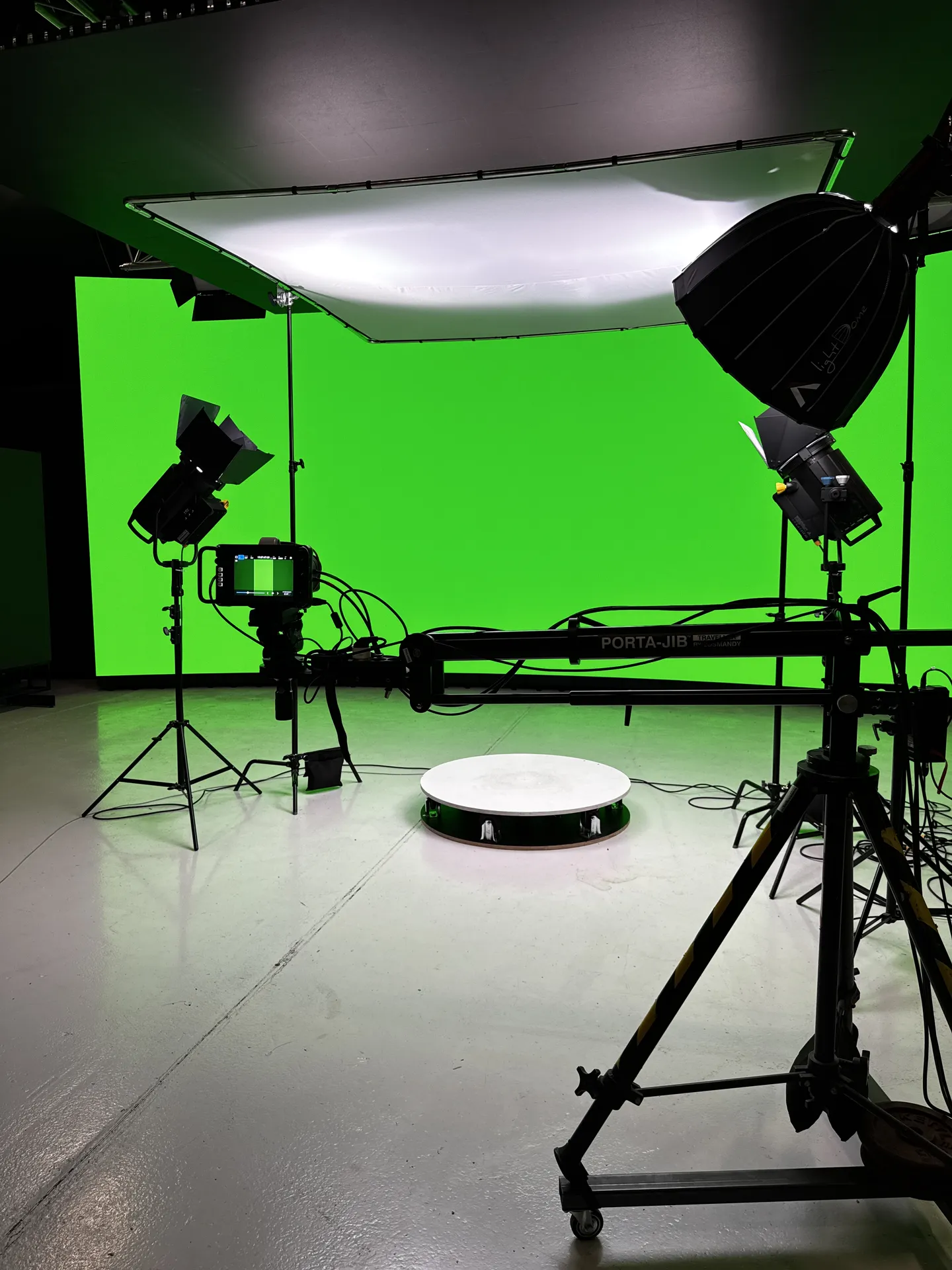
- Mindre efterbehandling. Fordi baggrunden er ægte i kameraet, springer du over en stor del af den compositing, som green-screen-arbejde kræver bagefter.
- Færre genoptagelser. Alle ser det færdige billede på dagen, så problemer bliver løst, mens crewet stadig er der - ikke opdaget uger senere.
- Vejr og dagslys på bestilling. Den gyldne time, når som helst du vil have den, uden ventetid og uden spildte dage.
Spørg "hvad koster hele produktionen, fra start til slut?" - ikke "hvad er den billigste time?" Det er der, virtual production som regel vinder.
Sådan budgetterer du din i tre trin
- Beskriv slutresultatet. Hvor mange scener, hvilke miljøer, og hvor lang den færdige film er.
- Tag stilling til miljøerne. Kan vi bruge eller tilpasse eksisterende 3D-miljøer, eller skal du bruge noget skræddersyet? Det er det enkeltvigtigste valg.
- Tæl optagedagene. Størstedelen af den resterende pris følger tiden på væggen.
Det mest omkostningseffektive råd
Involver os tidligt - før idéen er låst fast. En hurtig snak i konceptfasen afslører ofte en billigere vej til det samme resultat på væggen og hjælper dig med at undgå at budgettere med en lokation eller en kulisse, du faktisk ikke har brug for. Er du i tvivl mellem dette og en simplere opsætning? Vores guide om virtual production vs. green screen er en god næste læsning.
Vil du have et konkret tal for dit projekt? Fortæl os, hvad du planlægger, så sætter vi et klart, specificeret overslag sammen - uden fagsprog og uden overraskelser.
Nysgerrig efter at se det i virkeligheden?
Den bedste måde at forstå virtual production på er at stå i det. Fortæl os, hvad du planlægger, så viser vi dig mulighederne.
Book studiet