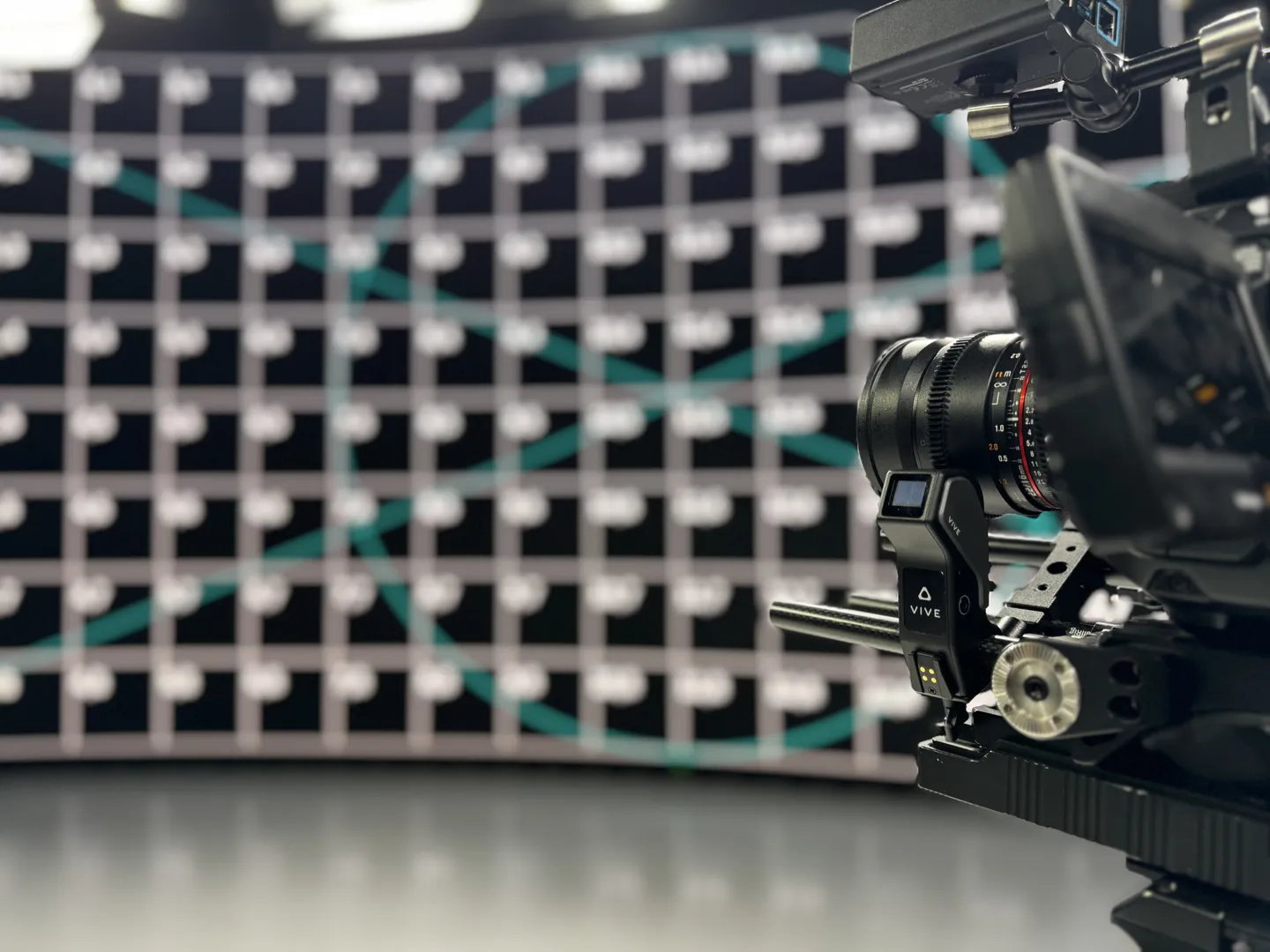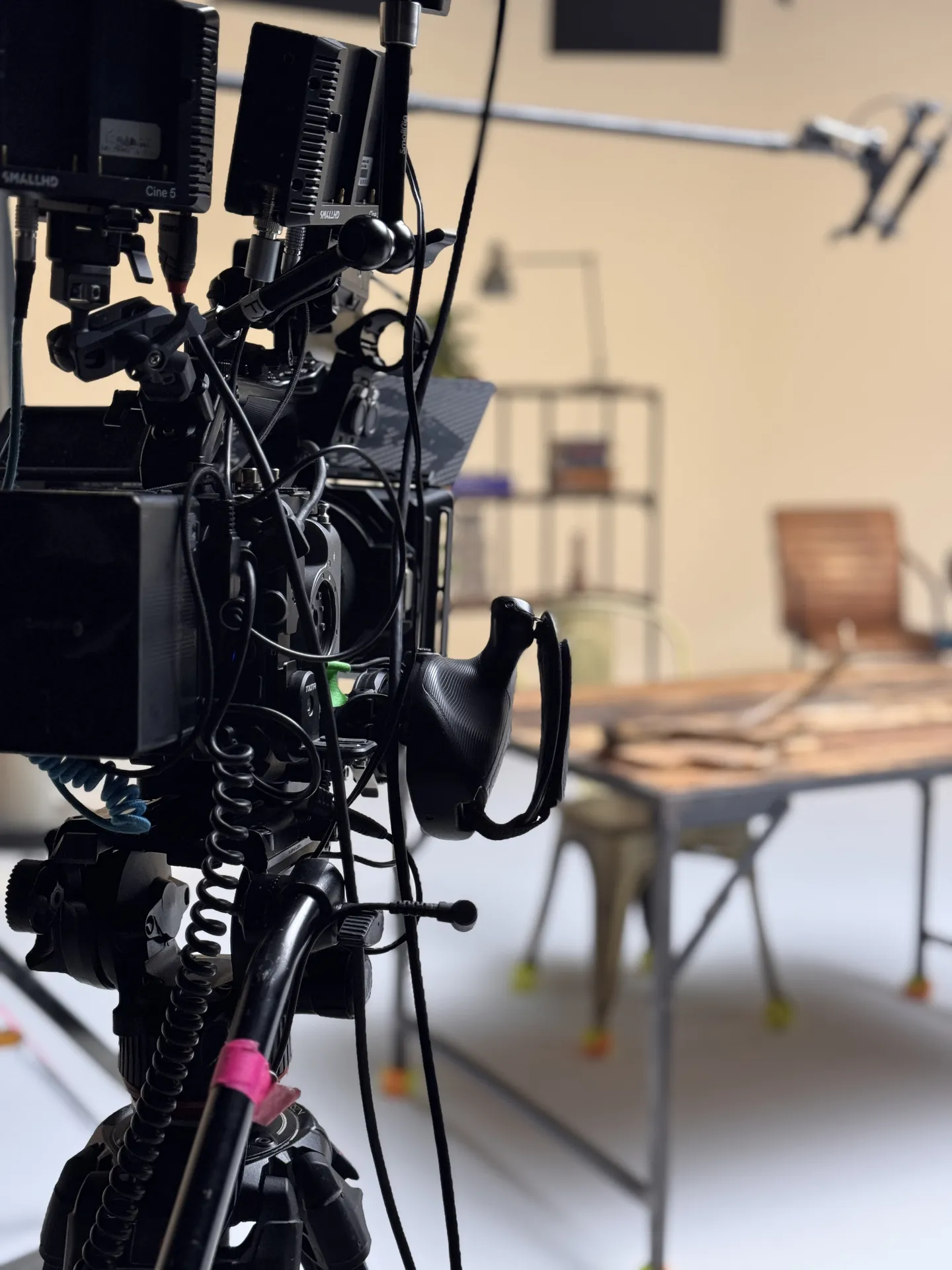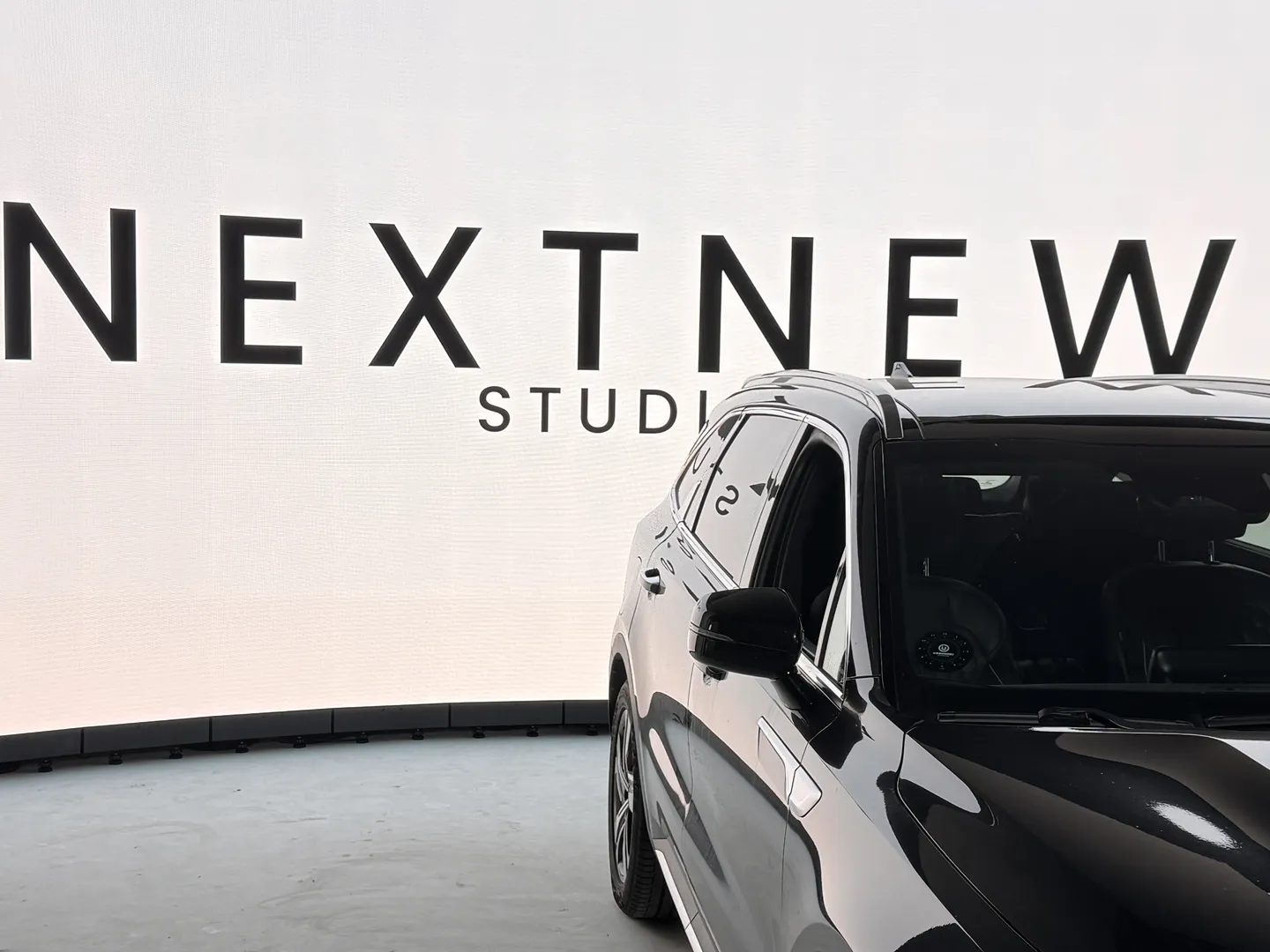

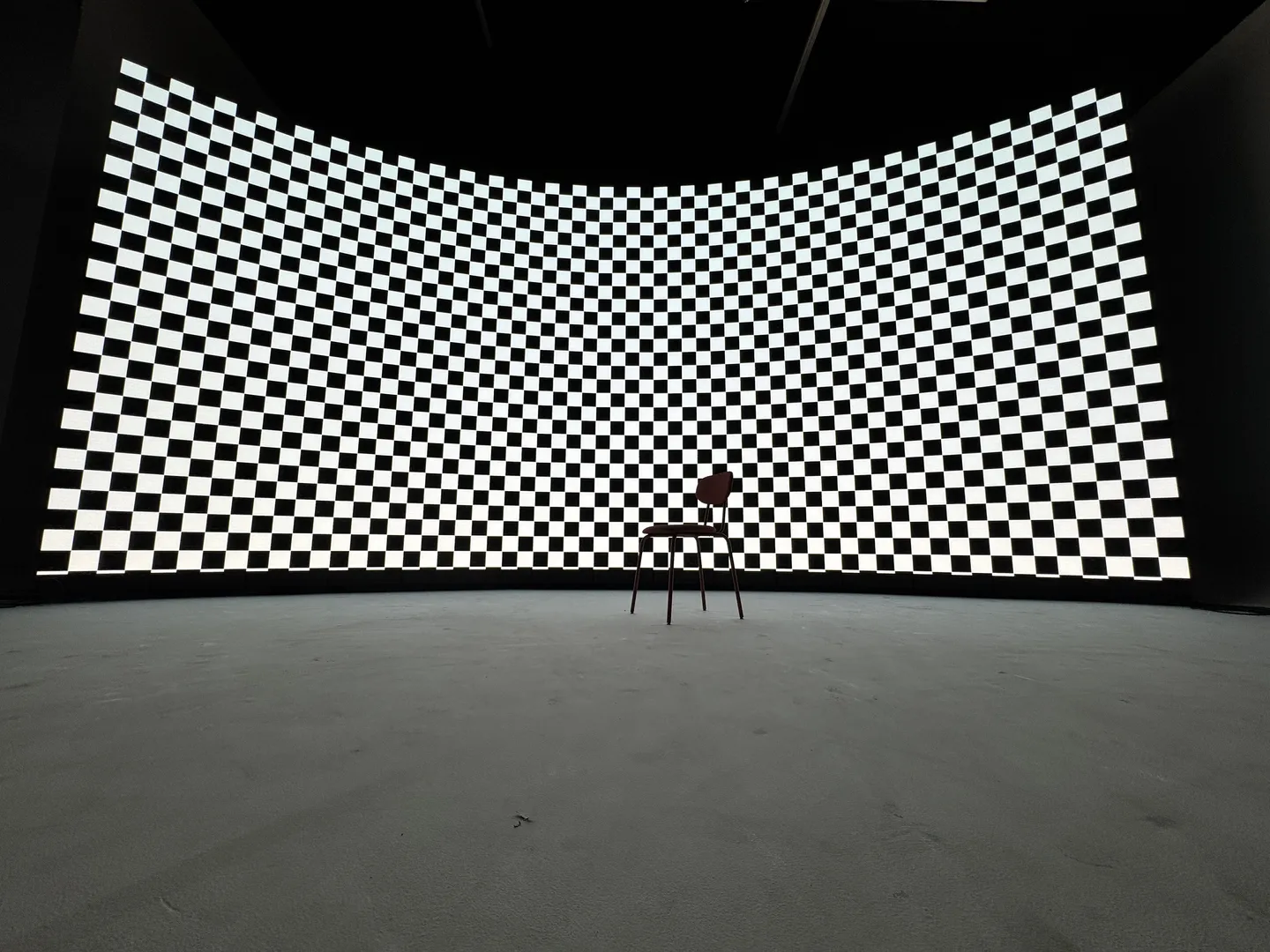
Film- og videoproduktion har et stille aftryksproblem: crews og udstyr fløjet verden rundt, kulisser bygget og siden smidt ud, generatorer, der brummer på lokation, og genoptagelser, der fordobler det hele. Virtual production løser ikke det hele - men det fjerner nogle af de største kilder til spild ved sin natur, ikke bare med gode intentioner. Her er, hvordan en optagelse på en LED-væg som regel går lettere til værks.
Færre flyrejser og mindre transport
Det allergrønneste ved virtual production er også dets mest praktiske salgsargument: du skal ikke rejse til lokationen, for lokationen kommer til dig. En optagelse, der ellers ville kræve en strand den ene dag, en by den næste og et bjerg dagen efter, kan foregå i ét rum, på én dag. Det er en masse flyrejser, fragt, hotelovernatninger og brændstof, der simpelthen aldrig sker.
Kulisser, du ikke bygger og smider ud
Traditionelle produktioner bygger fysiske kulisser, bruger dem i nogle dage og sender dem ofte på lossepladsen bagefter. På LED-væggen er "kulissen" et 3D-miljø - det er digitalt, kan genbruges i det uendelige, og det bruger ikke træ, maling og materialer på en enkelt optagelse. Når et miljø kan justeres med et par klik i stedet for en hammer, forsvinder en stor del af engangsbyggeriet.
Den grønneste kulisse er den, du aldrig skulle bygge, rejse til eller smide ud. Virtual production gør det til den normale måde at arbejde på - ikke undtagelsen.
Færre genoptagelser
Genoptagelser er dyre for planeten lige såvel som for budgettet - de gentager rejserne, strømforbruget og crewet. Fordi virtual production viser alle det næsten-færdige billede på dagen, bliver problemer fanget og løst, mens crewet stadig er der. Færre grimme overraskelser i efterbehandlingen betyder færre "vi bliver nødt til at optage det igen"-dage.
En ærlig bemærkning om energi
Lad os være ærlige: en LED-væg bruger strøm - både væggen og de computere, der kører miljøet, trækker på elnettet. Det er ikke magisk aftryksfrit. Men den energi er samlet ét kontrollerbart sted, på et elnet, der bliver grønnere og grønnere, og den erstatter det langt større og mere rodede aftryk fra gentagne gange at flytte en hel produktion rundt i verden. Nettoeffekten for mange projekter er en reel reduktion - og den er målbar, ikke bare en fornemmelse.
Hvad det betyder for dit projekt
- Et mindre aftryk, du kan pege på - nyttigt for brands med bæredygtighedsmål.
- Mindre spild indbygget i arbejdsgangen, i stedet for skruet på bagefter.
- Samme ambitionsniveau - grønnere betyder ikke mindre flot. Resultaterne er lige så filmiske.
Ambitioner uden overforbrug
Bæredygtig produktion og høj produktionsværdi føles som regel som en afvejning. Virtual production er et af de sjældne steder, hvor de går op i en højere enhed: du får den store, flotte film og et lettere aftryk - primært fordi du har skåret rejser, engangskulisser og genoptagelser væk. Er du ny i metoden, er vores guide til nybegyndere et godt sted at starte.
Det ligger os på sinde hos Nextnew, og vi taler altid gerne om, hvordan en optagelse på vores LED-væg nær Aalborg kan sænke aftrykket af din næste produktion - uden at sænke ambitionerne.
Nysgerrig efter at se det i virkeligheden?
Den bedste måde at forstå virtual production på er at stå i det. Fortæl os, hvad du planlægger, så viser vi dig mulighederne.
Book studiet