
"LED-væg" er udtrykket i hjertet af virtual production, og det kan lyde uoverskueligt. Det er det slet ikke. Forstår du et fjernsyn og et videospil, forstår du allerede det meste af det. Her er, hvad en LED-væg egentlig er, og hvordan delene spiller sammen for at narre kameraet på den bedst mulige måde.
Hvad "volumen" betyder
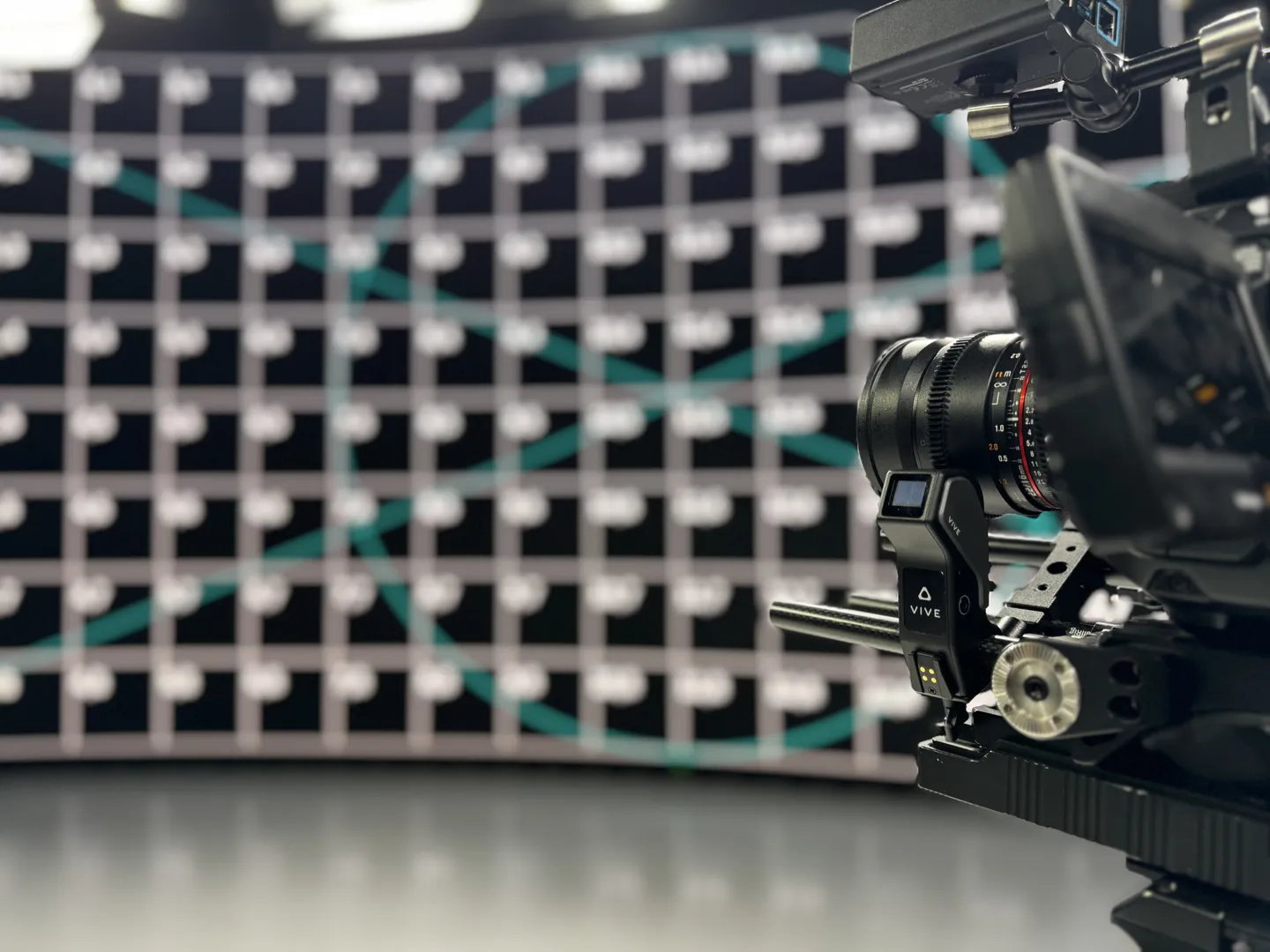
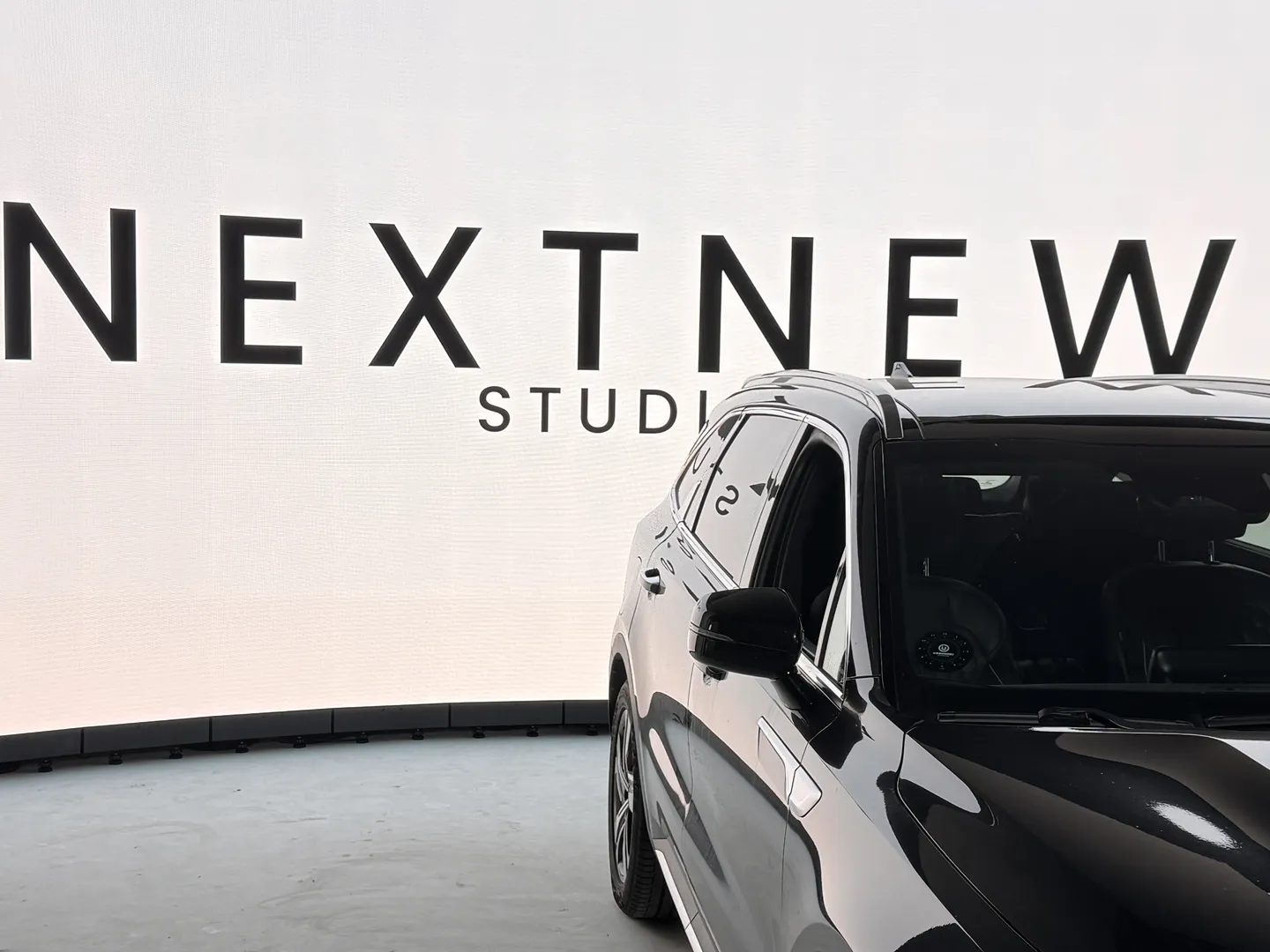
"Volumen" er bare filmbranchens ord for et optagerum, der er sat op til en bestemt slags billede. I virtual production er LED-volumen en stor skærm - som regel en stor, buet væg, nogle gange også med loft - bygget af mange LED-paneler samlet til én sammenhængende flade. Den omslutter en del af settet, så miljøet på den lægger sig rundt om dine skuespillere i stedet for at ligge fladt bagved dem.
De tre ingredienser
1. Væggen - lys, du kan filme
Panelerne hører til samme familie af teknologi som en stor udendørs skærm, men langt finere og mere farvepræcise. Det afgørende er, at væggen ikke bare viser et billede - den udsender lys. Det lys smitter af på dine skuespillere og rekvisitter og giver ægte refleksioner og en naturlig glød, som green screen simpelthen ikke kan skabe.
2. Motoren - et miljø tegnet live
3D-miljøet skabes og køres i en realtidsmotor - samme slags software, der tegner moderne videospil billede for billede, mens du spiller. "Realtid" er nøgleordet: scenen tegnes øjeblikkeligt, så vi kan skifte tidspunkt på dagen, flytte solen eller rykke et bjerg, mens alle kigger på.
3. Trackingen - der holder det ærligt
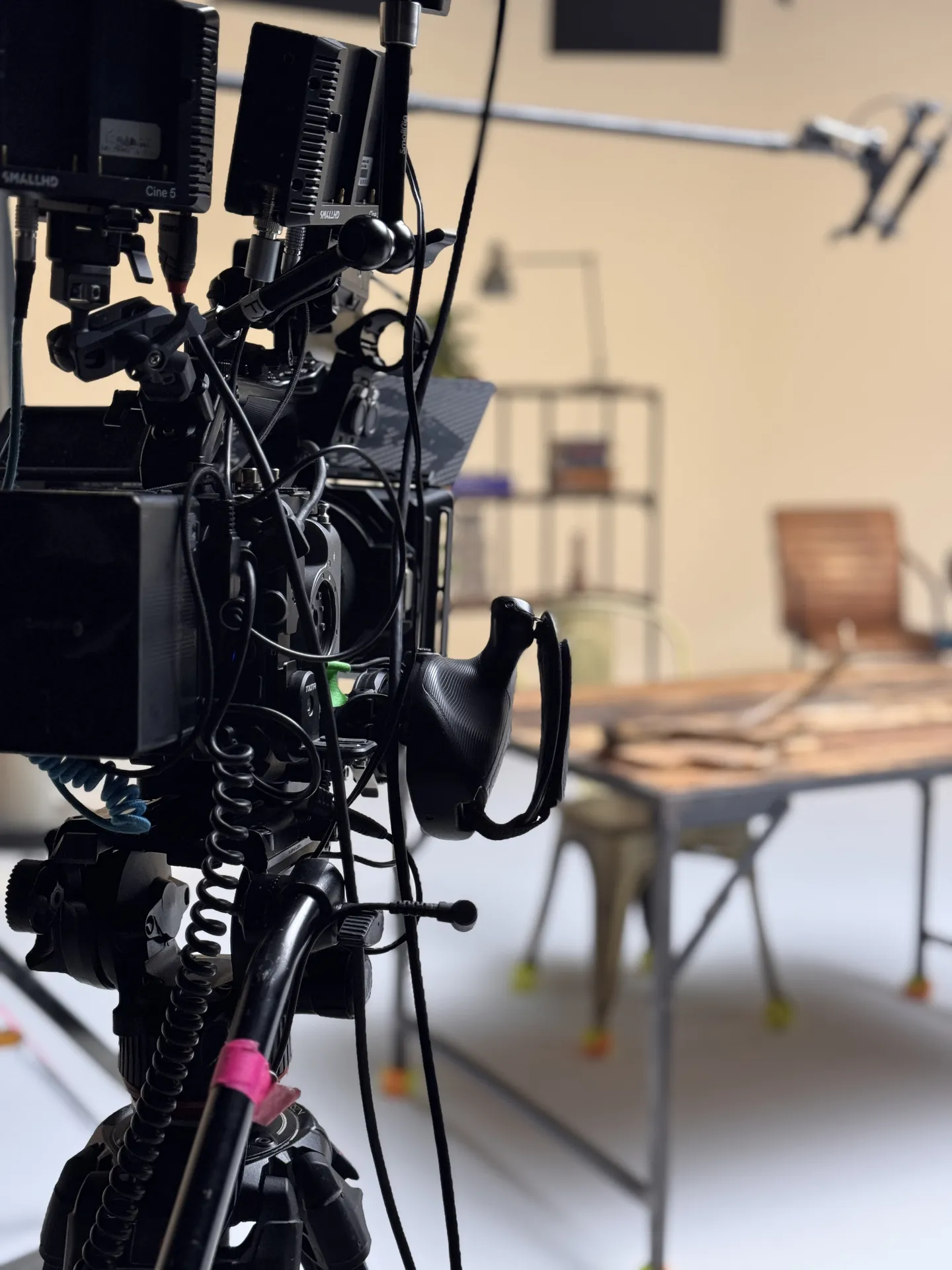
Her er det smarte. Hvis baggrunden stod stille, mens kameraet bevægede sig, ville illusionen bryde sammen. Så sensorer sporer kameraets præcise position og bevægelse, og motoren tegner miljøet igen fra det nøjagtige synspunkt, mange gange i sekundet. Flyt kameraet mod venstre, og det virtuelle miljø flytter sig, præcis som en rigtig lokation ville gøre. Det er det, der sælger dybden.
Et green screen viser kameraet ingenting og beder en computer om at opfinde miljøet senere. En LED-væg viser kameraet det færdige miljø her og nu - og lyser skuespillerne op med det.
Derfor betyder lyset så meget
Det er den del, folk undervurderer. Fordi væggen er en enorm, styrbar lyskilde, farver en solnedgang bag dit motiv rent faktisk huden orange; et neonskilt glimter rent faktisk i solbrillerne; en bil fanger rent faktisk farverne fra gaden omkring den. At genskabe det troværdigt bagefter - for hver reflekterende overflade, i hvert billede - er langsomt, dyrt og ofte ufuldkomment. LED-væggen giver dig det gratis, direkte i kameraet.
Sådan føles det på settet
- Skuespillerne kan se og reagere på deres omgivelser, så præstationerne føles ægte.
- Instruktøren og kunden ser et næsten færdigt billede live på skærmen.
- Ændringer - lysere, senere på dagen, flyt den bakke - sker på sekunder, ikke dage.
- Flere "lokationer" er kun få klik fra hinanden, alle i ét rum.
Kort fortalt
En LED-væg er en stor, lys, farvepræcis skærm, der viser et levende 3D-miljø, som bevæger sig korrekt med dit kamera og lyser dit set ægte op. Det er hele tricket - og derfor ser resultaterne så troværdige ud. Vil du hellere have den lidt blidere introduktion først, så start med Hvad er virtual production?; er du ved at veje dine muligheder, så prøv vores sammenligning med green screen.
At læse om det rækker kun så langt. Er du nær Aalborg - eller villig til at rejse fra et hvilket som helst sted i Danmark eller Skandinavien - så kom og stå inde i LED-væggen. Det giver langt mere mening i virkeligheden, og vi viser altid gerne rundt.
Nysgerrig efter at se det i virkeligheden?
Den bedste måde at forstå virtual production på er at stå i det. Fortæl os, hvad du planlægger, så viser vi dig mulighederne.
Book studiet